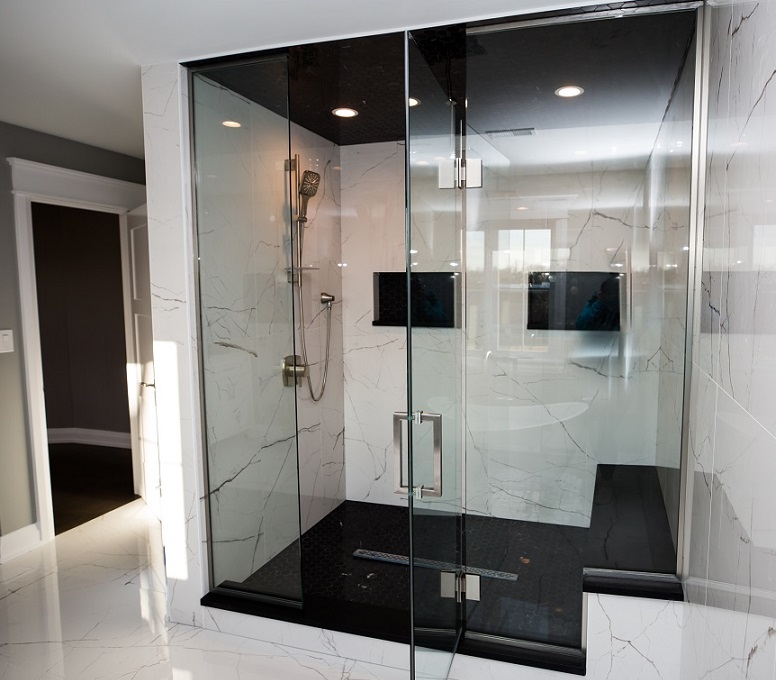
Embarking on a room renovation is an exciting venture, but without careful budgeting, it can quickly turn into a financial challenge. In this guide, we'll explore five common budgeting mistakes in room renovation planning and provide practical strategies to help you stay on track and achieve your dream space without breaking the bank.
Underestimating Costs:
One of the most prevalent mistakes is underestimating the total cost of the renovation. Homeowners often focus solely on materials and labor, overlooking additional expenses like permits, unexpected repairs, or design changes. To avoid this, create a detailed budget that includes all potential costs and add a contingency fund of around 10-15% for unforeseen expenses.
Ignoring the Research Phase:
Rushing into a renovation without thorough research can lead to budgetary miscalculations. Take the time to research the costs of materials, labor, and any additional services required for your project. Get multiple quotes from contractors and suppliers to ensure you have an accurate understanding of the expenses involved.
Overlooking Hidden Costs:
Hidden costs can sneak up on homeowners and wreak havoc on their budgets. These may include structural issues, electrical or plumbing upgrades, or compliance with building codes. Conduct a thorough inspection of the space before starting the renovation, and factor in potential hidden costs in your budget.
Skipping the Contingency Fund:
Some homeowners omit the contingency fund, thinking they won't encounter unexpected expenses. However, surprises are inevitable in renovations. By including a contingency fund in your budget, you provide yourself with a financial cushion to handle any unforeseen issues without compromising the overall project.
DIY Underestimation:
While taking the do-it-yourself (DIY) approach can save money, it's crucial to realistically assess your skills and the complexity of the tasks involved. Underestimating the time, effort, and potential mistakes in a DIY project can lead to delays and additional costs. Be honest about your capabilities, and if needed, hire professionals for certain aspects of the renovation.
Practical Tips for Effective Budgeting
Detailed Planning:
Create a detailed plan outlining every aspect of the renovation, from materials and labor to permits and potential hidden costs. A comprehensive plan serves as a roadmap for your project and helps in accurate budgeting.
Get Multiple Quotes:
Obtain quotes from multiple contractors and suppliers. This not only ensures you get a competitive price but also gives you a better understanding of the average costs for your specific project.
Prioritize Needs Over Wants:
Make a list of must-haves and nice-to-haves. Prioritize essential elements to allocate your budget effectively. If unforeseen expenses arise, you'll be less likely to compromise on crucial aspects of the renovation.
Regularly Review and Adjust:
Periodically review your budget throughout the renovation process. If adjustments are needed, make them early to avoid financial strain later on. Open communication with contractors and suppliers is key to managing costs effectively.
Consult with Professionals:
Seek advice from professionals, such as architects or contractors, during the planning phase. Their expertise can help you anticipate potential challenges and budget more accurately.
Effective budgeting is the cornerstone of a successful room renovation. By acknowledging and avoiding common budgeting mistakes, you can ensure that your project stays on track, meets your expectations, and ultimately transforms your space into the dream room you envisioned.